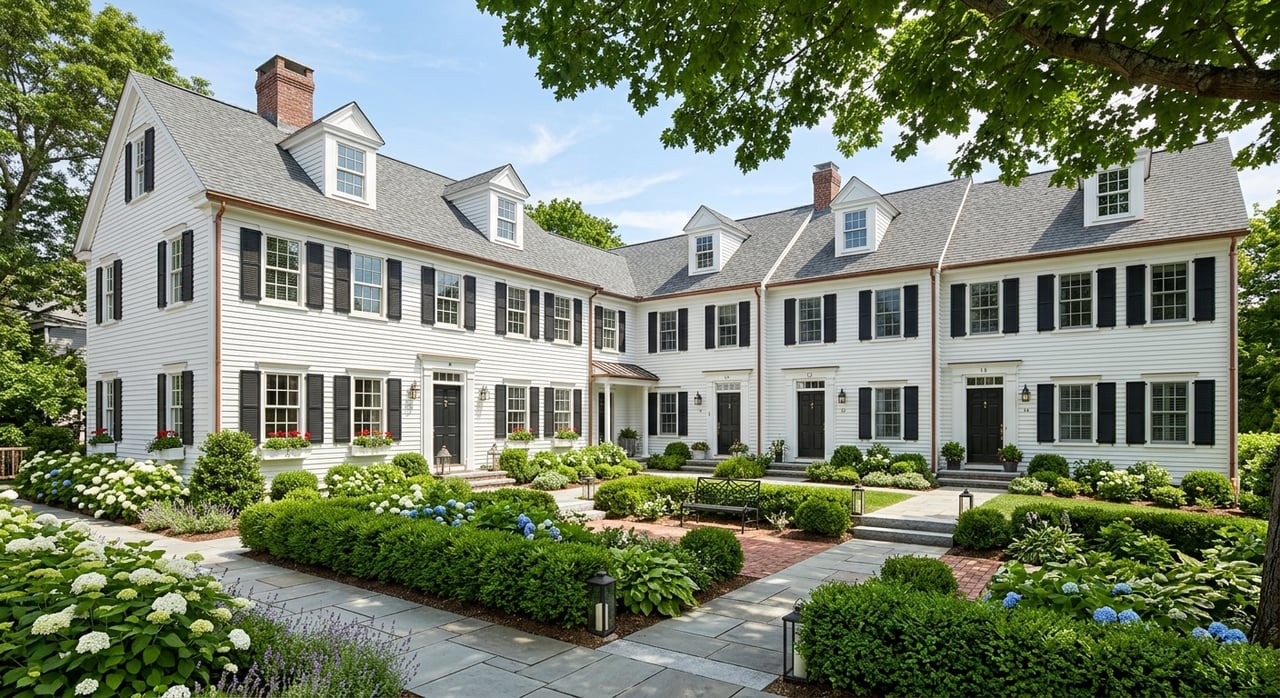
If you are thinking about buying a condo or townhome in Norwalk, you are not alone. Attached homes can offer a smart path into Fairfield County, a lower-maintenance lifestyle, or the right fit for commuting and coastal living. The key is knowing how to look past the listing photos and evaluate the monthly costs, location tradeoffs, and association details that can shape your experience long after closing. Let’s dive in.
Why Norwalk attracts condo buyers
Norwalk gives you a wide range of lifestyle options in one city. You can find more urban, walkable settings, shoreline areas, and village-like pockets, depending on what matters most to you.
The market also stays active. Zillow reports an average home value in Norwalk of $670,503 and notes that homes go pending in around 10 days, while current search pages show active attached inventory, including dozens of condos and townhomes on the market. That pace means preparation matters if you want to move quickly and make a strong decision.
For many buyers, the appeal is simple. A condo or townhome can offer easier upkeep than a single-family home, while still putting you close to transit, parks, restaurants, and waterfront areas that support day-to-day convenience.
Compare Norwalk neighborhoods
South Norwalk for walkability
South Norwalk, often called SoNo, is a strong fit if you want restaurants, retail, and entertainment nearby. Visit Norwalk describes it as a historic boat harbor that has become a vibrant dining, retail, and entertainment destination.
This area can appeal to buyers who want a more urban feel and easy access to activity. The SoNo Collection is also positioned near I-95 and about one hour from New York City, which adds to the area’s convenience for regional commuters and frequent travelers.
East Norwalk for shoreline access
East Norwalk tends to stand out for buyers who want shoreline access and commuter convenience. Visit Norwalk describes it as a shoreline community with residential neighborhoods and beaches.
It also benefits from transit access. MTA schedules show both East Norwalk and South Norwalk on the New Haven Line, which can be an important factor if your routine includes travel toward other parts of Fairfield County or New York.
Rowayton for village feel
Rowayton is often the best lifestyle match if you want a more coastal, village-like setting. Visit Norwalk describes it as a coastal village for boaters and beach-goers, with shops, restaurants, parks, and community events.
If you are comparing Rowayton with more urban condo options, the difference often comes down to pace and setting. Rowayton may appeal more to buyers who prioritize a village atmosphere over a walk-to-everything downtown experience.
Other Norwalk areas to consider
Norwalk’s official neighborhood list also includes areas such as Cranbury and West Norwalk. That matters because condo and townhome buyers are not limited to one style of submarket.
As you compare options, it helps to think beyond the unit itself. Your daily routine, commute, and preference for shoreline, village, or urban surroundings can shape which area feels like the best fit.
Understand the Norwalk market pace
In an active market, attached homes can move fast. Zillow says homes in Norwalk go pending in about 10 days, which tells you that desirable units may not sit long.
That does not mean you should rush blindly. It means you should be ready with financing, a clear budget, and a list of must-haves before the right condo or townhome appears.
Inventory also varies by property type and location. Research snapshots show active attached inventory in Norwalk, with Realtor.com listing 37 townhomes for sale and Redfin showing 40 condos for sale with a median listing price of $437K at the time of reporting.
Look beyond the purchase price
One of the biggest mistakes buyers make is focusing too much on the sale price and not enough on total monthly cost. With condos and townhomes, that number can shift meaningfully based on dues, taxes, insurance, and location.
The Consumer Financial Protection Bureau notes that homebuyers may still need to budget for property taxes, insurance, HOA dues, closing costs, moving costs, repairs, and home improvement expenses. In attached housing, monthly dues can make a major difference in affordability.
A lower-priced unit with high dues or higher taxes may cost more each month than a slightly more expensive unit in a different location. That is why cost comparison should happen early, not after you fall in love with a property.
Know Norwalk taxing districts
Norwalk has four taxing districts: First or Central Norwalk, Second or South Norwalk, Third or East Norwalk, and Sixth or Rowayton. According to the city, each district has a different property tax rate and may provide different services such as sewer, water, and garbage pickup.
For condo and townhome buyers, this is a practical issue, not just a technical one. Two similar attached homes in different districts can carry different monthly ownership costs.
When you review a property, ask which taxing district it falls into and how that affects your annual tax bill. It is an easy question that can save you from budget surprises later.
Review the HOA carefully
With a condo or townhome, you are not only buying the unit. You are also buying into an association structure with rules, budgets, and shared financial responsibilities.
Connecticut condo ownership is governed by different statutes depending on when the project was created. Pre-1977 units fall under the Unit Ownership Act, projects from 1977 to 1983 fall under the Condominium Act, and post-1983 projects fall under the Common Interest Ownership Act, often called CIOA.
Under CIOA, associations must retain detailed records, including receipts and expenditures, reserve account records, bylaws and rules, financial statements, contracts, board and officer lists, and voting records. Owners can inspect many of these records with notice, which gives buyers a path to better due diligence.
Watch for reserves and assessments
The biggest association risks often come down to financial health and governance. Thin reserves, repeated special assessments, and unclear decision-making can all affect your future costs.
Under Connecticut law, boards can propose special assessments, emergency assessments can take effect quickly, and unpaid assessments can become liens that may be foreclosed. Before you commit, review the association budget, recent meeting minutes, reserve funding, and any notices about current or upcoming assessments.
Ask about rules that affect daily life
Association documents can also regulate use and maintenance, leasing, ownership, occupancy, and reserves. That means the rules may directly affect how you live in the property or what flexibility you have in the future.
Before making an offer, ask about rental policies, pet rules, parking, storage, and renovation restrictions. These details matter just as much as finishes or square footage if they affect how you plan to use the home.
Check financing early
If you plan to use financing, confirm that the project works with your loan type before you get too far into the process. This step is especially important with condos.
HUD says FHA insures condominium loans for units in FHA-approved condominium projects, or in projects that meet single-unit approval requirements. Lenders check condominium IDs and project eligibility through FHA systems, so this is something you will want clarified early.
Even if you are not using FHA, project eligibility and association health can still influence financing. A proactive review can help you avoid delays or a last-minute change in strategy.
Evaluate flood and coastal factors
Because Norwalk is a coastal community, location-specific risk matters. The city identifies a Coastal Area Management zone extending inland from tidal waters and notes that flood hazard zones have higher flood risk, special regulations, and possible flood insurance requirements.
This is particularly relevant if you are considering a condo or townhome near shoreline areas. Some work in coastal areas may also require Coastal Area Management review, which can matter if you hope to make future changes to the property.
Ask whether the unit is in a flood hazard zone or Coastal Area Management zone, and find out how that may affect insurance, regulations, and long-term ownership costs. Those answers can materially change affordability.
Think about commute and resale
Transit access and walkability can support both daily convenience and future resale appeal. MTA schedules show that South Norwalk and East Norwalk are on the New Haven Line, and the Norwalk Transit District’s updated network includes routes linking East Norwalk to SoNo and the South Norwalk station.
Norwalk also offers strong outdoor amenities. Visit Norwalk highlights 70 acres of waterfront parkland and 1,050 acres of public parks, which can complement the low-maintenance lifestyle many condo and townhome buyers want.
If resale matters to you, focus on features that tend to remain attractive over time. Easy transit access, practical parking, appealing surroundings, and straightforward monthly costs often matter as much as interior finishes.
Questions to ask before you offer
A well-priced condo can still be a poor fit if the association, location, or carrying costs do not line up with your goals. Before you make an offer, ask targeted questions so you can compare properties with confidence.
Here are some of the most important ones:
- What does the HOA fee cover?
- How much is in reserves, and has the association done a reserve study?
- Are any special assessments pending or likely?
- What are the rental, pet, parking, storage, and renovation rules?
- Is the unit in a flood hazard zone or Coastal Area Management zone?
- Which Norwalk taxing district is the property in?
- Is the project eligible for my loan type?
- Are there any pending lawsuits, insurance gaps, or major upcoming capital projects?
A smart condo purchase starts with context
Buying a condo or townhome in Norwalk can be a great move, but the best decision usually comes from understanding the full picture. Neighborhood fit, tax district, HOA health, financing, flood exposure, and commute convenience all play a role.
When you evaluate attached homes with those factors in mind, you are more likely to choose a property that works for your budget, lifestyle, and long-term plans. If you want expert guidance as you compare Norwalk condos and townhomes, Taylor Tait can help you navigate the details with a clear, local, and thoughtful approach.
FAQs
What should you review before buying a condo in Norwalk?
- Review the HOA budget, reserve funding, meeting minutes, bylaws, rules, assessment history, taxing district, flood zone status, and total monthly ownership cost.
How do Norwalk taxing districts affect condo costs?
- Norwalk’s four taxing districts have different tax rates and may provide different services, so similar units in different districts can have different monthly carrying costs.
Which Norwalk areas are popular for condo or townhome buyers?
- South Norwalk often appeals to buyers who want a more urban and walkable setting, East Norwalk may suit buyers looking for shoreline access and commuting convenience, and Rowayton is known for a more coastal village feel.
Why do HOA reserves matter in a Norwalk condo purchase?
- Reserve levels can signal whether an association is prepared for future repairs and capital projects, which may reduce the risk of special assessments.
Can FHA financing work for a condo in Norwalk?
- It can, but project approval or single-unit approval requirements may apply, so your lender should confirm the condominium’s eligibility early in the process.