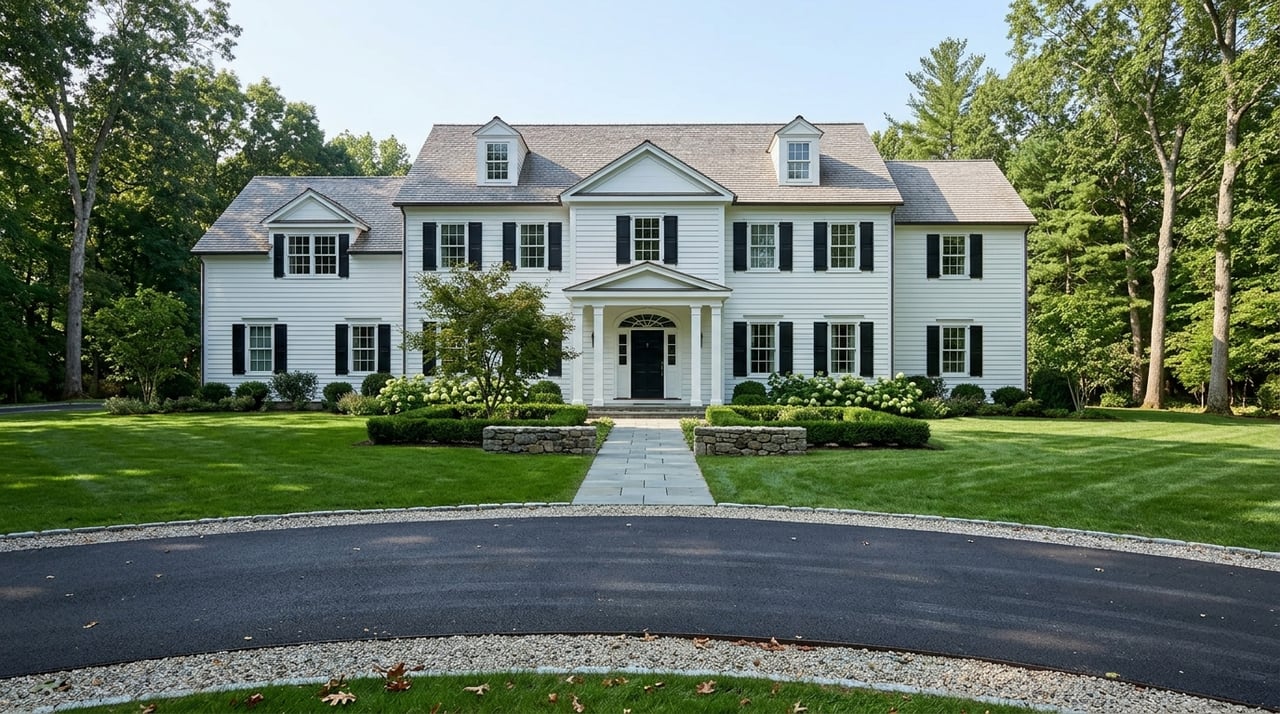
If you are searching for a Fairfield County town that feels peaceful without feeling disconnected, Wilton likely stands out fast. It offers a wooded, residential setting, a small village center, and easy access to outdoor spaces that shape daily life in a very real way. If you are wondering whether Wilton fits your lifestyle, this guide will help you understand the pace, character, amenities, and routines that define living here. Let’s dive in.
Wilton’s Overall Feel
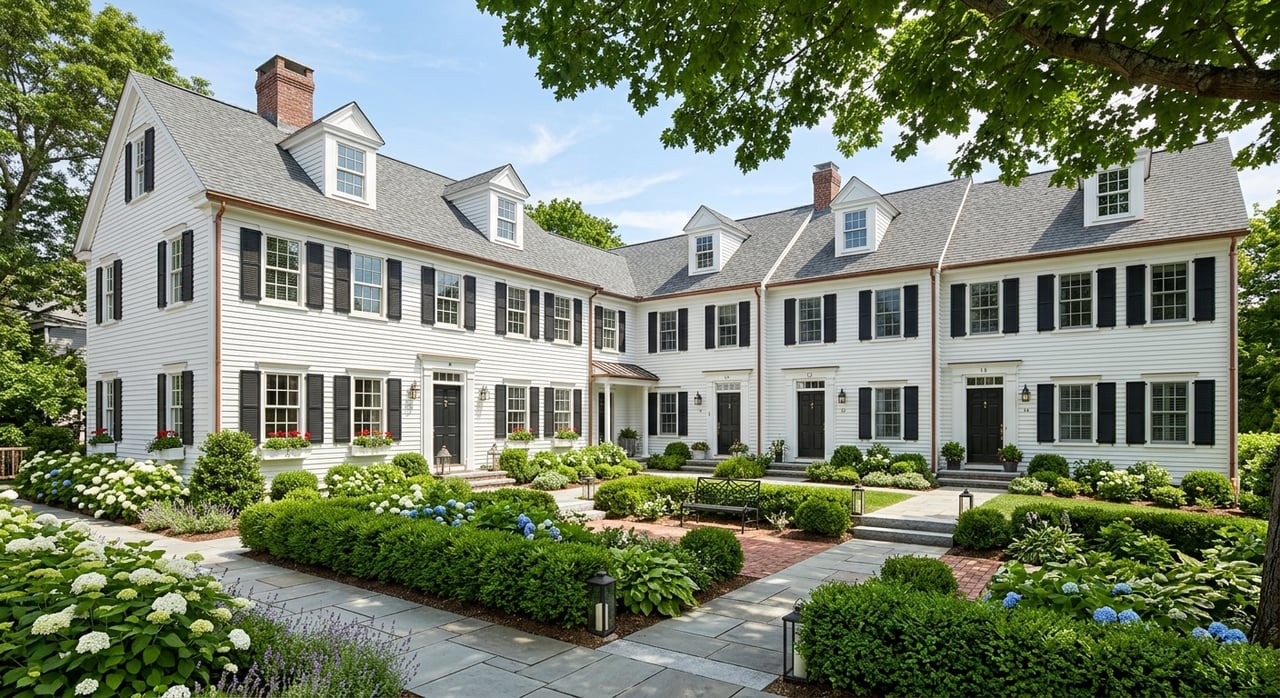
Wilton is best understood as a suburban town with a distinctly rural and preserved feel. Town history and planning materials describe a landscape of winding back roads, trees, streams, ponds, woods, and rolling hills, which gives the area a calm, tucked-away atmosphere.
That sense of space is not accidental. About 23% of Wilton is open space, and about half of that is formally protected, which helps preserve the town’s natural character over time. For many buyers, that is a big part of Wilton’s appeal.
Wilton is also sizable enough to feel established, but not overwhelming. It is roughly 27.2 square miles and has an estimated population of 19,435 in 2025. You get room to spread out, but you still have a town identity that feels cohesive.
Daily Life in Wilton
Life in Wilton tends to feel intentional and low-key rather than busy or urban. This is not a place defined by heavy foot traffic, dense blocks, or a large commercial center. Instead, your days are more likely to revolve around home life, errands, outdoor time, and activities anchored in the community.
Wilton Center has long served as the location for businesses, shops, stores, and offices. That means the town has a recognizable hub, but the overall rhythm still stays quieter and more residential than in more built-up commuter towns.
For many people, this balance is the point. You can handle your day-to-day needs locally, then return to tree-lined roads, open space, and a more relaxed pace at home.
Wilton Center and Everyday Convenience
Wilton Center functions as the town’s downtown-like core. Planning materials describe it as a village district designed to preserve character while supporting a range of retail and restaurant uses.
In practical terms, that means many of your everyday stops are concentrated in one compact area. Coffee runs, library visits, quick errands, and local events often happen in or around the center rather than across a large commercial corridor.
The town has also expressed a goal of maintaining a pedestrian-friendly village with a Main Street centerpiece. So while Wilton does not offer an urban downtown, it does provide a small-scale center that feels useful, familiar, and connected to daily life.
Outdoor Living Is a Major Part of Wilton
One of the clearest lifestyle advantages in Wilton is how easy it is to spend time outside. The town says residents have access to trails managed by town, state, federal, and land-trust entities, along with the Norwalk River Valley Trail.
That variety gives you options for everything from a quick walk to a longer weekend outing. If being close to nature matters to you, Wilton makes it part of the routine rather than an occasional destination.
Merwin Meadows is one of the town’s standout recreation spots. It includes a swimming pond, beach, pavilion, playground, and athletic field, making it a flexible place for warm-weather afternoons and active weekends.
Schenck’s Island adds another layer to the town’s outdoor appeal, especially because it sits near the center of town. There, you will find a large lawn, scenic meadow, walking trails, and fishing in the Norwalk River.
Weekend Activities and Community Spots
Weekends in Wilton often center on simple, repeatable routines that feel easy to enjoy year-round. Trails, parks, library programs, farm visits, and seasonal events all contribute to a lifestyle that feels community-oriented without feeling overprogrammed.
Ambler Farm is one of those places that helps define the town’s identity. It supports hands-on learning and sustainable agriculture, is open daily from dawn to dusk, and offers seasonal farm stand and community programming.
Woodcock Nature Center is another well-known local resource for people who enjoy nature close to home. Its trails are open daily from dawn to dusk, and it offers free hikes and community programs that add to Wilton’s outdoor culture.
These places matter because they shape how people actually spend time here. In Wilton, outdoor access is not just a selling point. It is part of the weekly rhythm.
Culture and Community in Wilton
Wilton’s community life is modest in scale, but it is active and visible. If you prefer a town where local institutions play a meaningful role, Wilton offers a strong mix of civic, cultural, and seasonal gathering places.
Wilton Library describes itself as the cultural and intellectual center of the town and says it hosts close to 1,000 programs each year. That steady calendar of talks, workshops, and family programming gives residents a reliable way to plug into town life.
You also see that pattern in recurring local events, including the seasonal Wilton Farmers’ Market on the Town Green and programming at Ambler Farm. These are the kinds of touchpoints that help a town feel connected and easy to settle into.
The Wilton Historical Society adds another dimension. It preserves local history through exhibits and public programs, including seasonal events like the Great Trains Holiday Show, which adds to Wilton’s strong sense of place.
Schools and Family Routines
Wilton Public Schools includes Miller-Driscoll, Cider Mill, Middlebrook, and Wilton High School. The district states that its mission is to prepare students to contribute meaningfully to a globally interdependent society.
For many buyers, the practical impact is just as important as the district structure itself. Schools help create a clear center of gravity for family schedules, activities, and town routines.
Even if schools are not your primary reason for moving, they still influence the rhythm of the town. In Wilton, community life often intersects with school calendars, sports, and local events.
Commuting From Wilton
Wilton can work well if you want access to New York City but prefer a quieter home base. The town is roughly 50 miles northeast of New York City, and it offers two Metro-North Danbury Branch stations: Wilton and Cannondale.
Both stations are ramp accessible. The Wilton station has a ticket machine, while Cannondale allows onboard ticket purchase.
That said, Wilton is not a transit-first suburb. QuickFacts estimates a mean commute of 35.9 minutes, and the town’s overall layout supports a more spread-out, car-friendly daily routine.
For many buyers relocating from New York City or other denser areas, that tradeoff can feel worthwhile. You gain more space, a quieter setting, and strong regional connectivity, while accepting a less urban day-to-day flow.
Who Wilton Often Fits Best
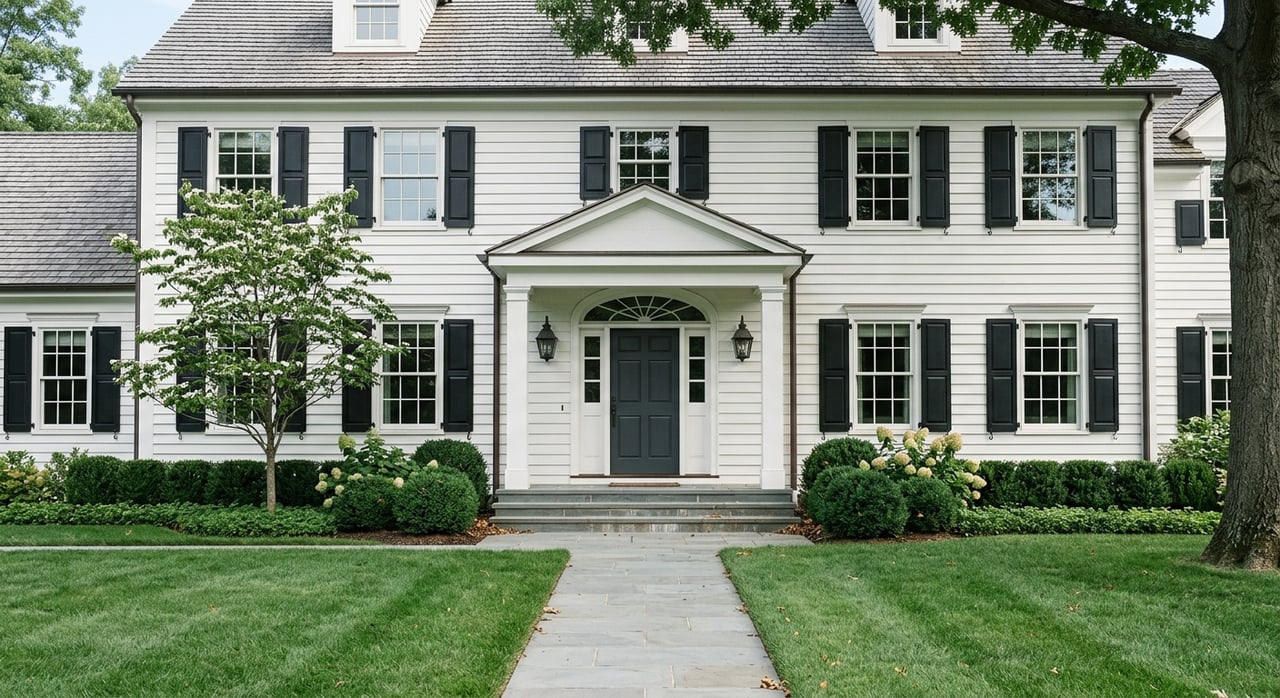
Wilton tends to appeal to buyers who want a residential New England setting with a strong connection to nature and a defined town center. If you are looking for a place that feels polished but not overly busy, Wilton often checks that box.
It can be especially attractive if you value open space, community institutions, and a lifestyle shaped more by home, school, and weekend routines than by nightlife or dense commercial activity. That does not mean there is nothing to do. It means the town’s lifestyle is quieter, more local, and more place-based.
Buyers relocating from New York City often respond to that balance. Rail access, a preserved landscape, and a village-style center can make Wilton feel like a meaningful lifestyle shift without giving up regional access.
What to Keep in Mind Before Moving
The most important thing to understand about Wilton is that its appeal is specific. If you want a large downtown, a highly walkable urban pattern, or a fast-paced environment, Wilton may feel too quiet or too spread out.
If, however, you want back roads, mature trees, local institutions, and easy access to trails and green space, Wilton stands out for exactly those reasons. It offers a lifestyle that feels steady, scenic, and intentionally residential.
That clarity can be helpful as you compare towns in lower Fairfield County. Wilton is not trying to be everything at once, and that is often what makes it such a strong fit for the right buyer.
If you are considering a move to Wilton or comparing it with nearby towns in lower Fairfield County, Taylor Tait offers thoughtful, local guidance to help you find the right fit for your lifestyle and goals.
FAQs
What is daily life like in Wilton, Connecticut?
- Daily life in Wilton is generally quiet, residential, and centered around home routines, errands in Wilton Center, outdoor time, and community activities.
Does Wilton, Connecticut have a downtown area?
- Wilton does not have an urban-style downtown, but Wilton Center serves as the town’s compact village hub for shops, restaurants, errands, and local events.
Is Wilton, Connecticut more rural or suburban?
- Wilton is best described as suburban with a distinctly rural and preserved feel, thanks to its open space, wooded roads, and rolling landscape.
What are popular things to do in Wilton, Connecticut?
- Popular activities in Wilton include using local trails, visiting Merwin Meadows and Schenck’s Island, spending time at Ambler Farm, exploring Woodcock Nature Center, and attending library or seasonal town events.
Is Wilton, Connecticut a good option for New York City commuters?
- Wilton can be a strong option for commuters who want New York City access and are comfortable with a more car-friendly, spread-out suburban lifestyle at home.